Discover Park Slope Brooklyn: Historic Brownstones, Dining, Shopping, and Culture
Park Slope is widely considered one of Brooklyn’s most desirable and iconic neighborhoods, known for its elegant brownstone-lined streets, vibrant dining scene, and close-knit community atmosphere. Located along the western edge of Prospect Park, Park Slope blends historic architecture with modern urban living, making it a top destination for both residents and visitors exploring Brooklyn.

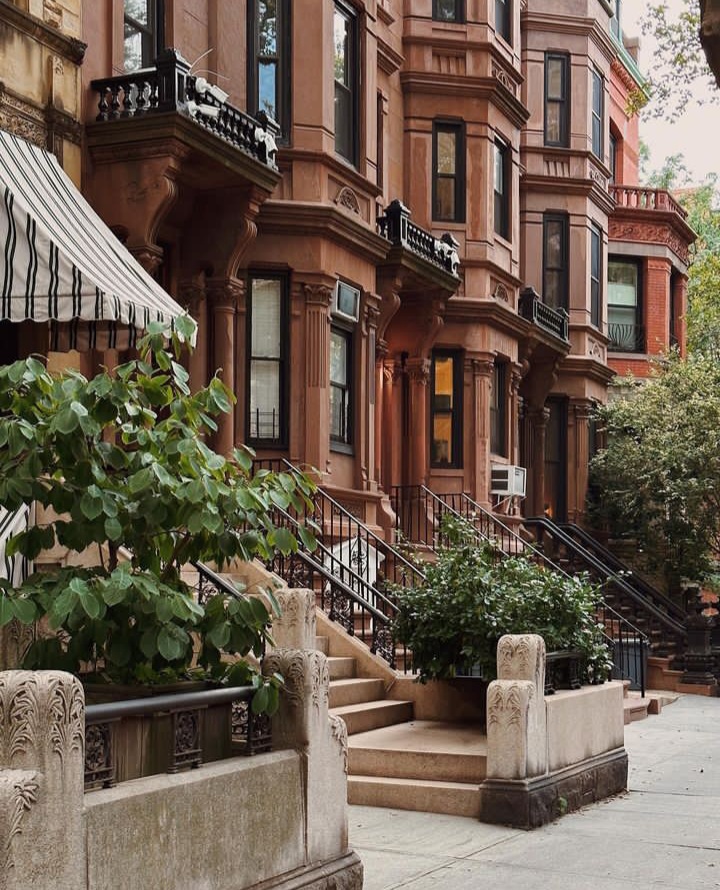
Unlike many New York City neighborhoods that have undergone dramatic redevelopment, Park Slope has carefully preserved much of its 19th-century charm. Thanks to long-standing preservation efforts, the neighborhood still features beautifully restored brownstones and pre-war apartment buildings dating back to the late 1800s. Today, Park Slope is home to more than 60,000 residents and remains one of the most sought-after places to live—and visit—in New York City.
A Neighborhood Defined by Dining, Shopping, and Local Culture
Modern-day Park Slope is filled with top-rated restaurants, lively bars, independent boutiques, bookstores, and specialty shops. Visitors will find everything from Michelin-recognized dining to casual cafés, family-owned pizzerias, and globally inspired cuisine. Notably, Park Slope has become known for its women-owned restaurants and small businesses, adding to the neighborhood’s progressive and community-driven identity.
The area is especially vibrant during holidays and seasonal events. Whether you’re visiting during Halloween, the winter holidays, or a warm spring afternoon, Park Slope’s streets are always active with outdoor dining, neighborhood festivals, and cultural gatherings. Many visitors choose private car service or limo transportation to Park Slope to explore the area comfortably without worrying about parking or public transit.
Park Slope History: From Farmland to One of Brooklyn’s Most Coveted Neighborhoods
The land that makes up present-day Park Slope was originally settled by the Canarsee Native American tribe. In the late 1630s, European settlers purchased the land, using it primarily for farming for nearly two centuries. Development remained limited until the 19th century, when Brooklyn was officially incorporated as a city and large-scale planning began.
A major figure in Park Slope’s early development was Edwin Clark Litchfield, a lawyer and land developer who acquired vast tracts of farmland. During the Civil War era, Litchfield began selling parcels of land, accelerating residential development. The creation of Prospect Park in the 1860s transformed the area, making Park Slope a prestigious address for affluent New Yorkers.
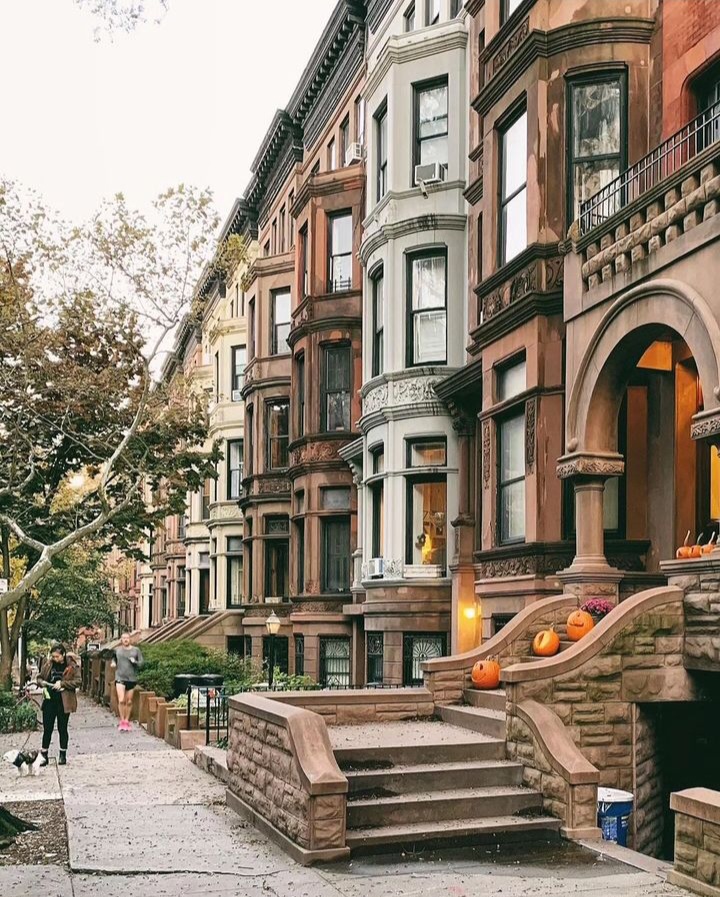
As Brooklyn’s population boomed in the late 1800s, elegant brownstones and Victorian mansions were constructed throughout Park Slope. Horse-drawn railcars and improved transportation made the neighborhood easily accessible, further increasing its appeal. By 1898, Brooklyn was consolidated into Greater New York City, solidifying Park Slope’s place in the city’s urban fabric.
Change, Preservation, and Renewal in the 20th Century
Throughout the mid-20th century, Park Slope experienced significant demographic and economic shifts. As automobiles and bridges made suburban living more accessible, many wealthier residents moved to Westchester County, New Jersey, and other outer suburbs. The neighborhood became more working-class, home to Italian American, Irish American, Black, and Latino communities.
In the late 1960s and early 1970s, Park Slope faced challenges common to many New York City neighborhoods, including crime and disinvestment. However, a strong preservation movement helped protect historic buildings, while young professionals and families began restoring brownstones. This revitalization sparked a resurgence that continued through the 1980s and 1990s, returning Park Slope to its status as one of Brooklyn’s most desirable neighborhoods.
Today, Park Slope successfully balances historic preservation with modern urban living, offering tree-lined streets, front gardens, and a welcoming atmosphere that appeals to visitors year-round.
Exploring 7th Avenue and 5th Avenue in Park Slope
Park Slope’s main commercial corridors—7th Avenue and 5th Avenue—are packed with restaurants, cafés, shops, and cultural landmarks.
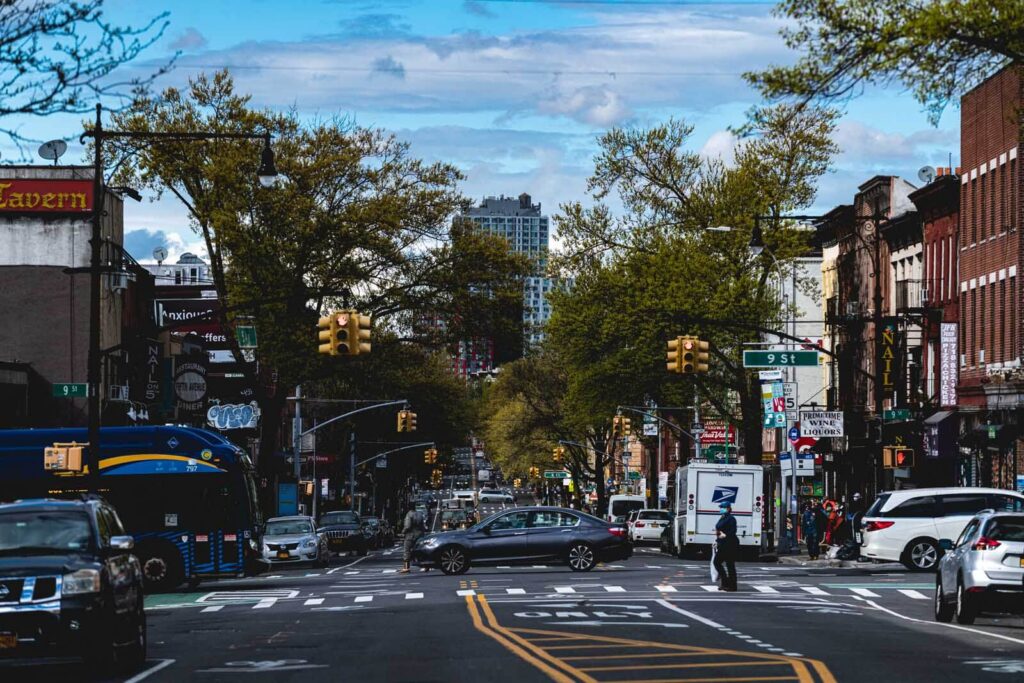
7th Avenue offers a more traditional, family-friendly feel, lined with sushi restaurants, Italian eateries, bakeries, bookstores, and neighborhood libraries. Historic churches, including the Old First Reformed Church, add architectural character to the avenue. Visitors often enjoy strolling the strip or booking an hourly car service to explore multiple dining spots in one outing.
5th Avenue is known for its energetic nightlife, unique restaurants, cocktail bars, thrift stores, record shops, and independent boutiques. From oyster bars and Colombian cuisine to classic steakhouses and cozy cafés, 5th Avenue is a hub for food lovers and creatives alike.
Cultural Landmarks and Event Spaces in Park Slope
Park Slope is home to several notable landmarks that reflect its rich cultural history. The 14th Regiment Armory, now housing the Park Slope YMCA, and the historic Litchfield Villa—currently home to NYC Parks—are prime examples of preserved architecture.
Union Hall is one of the neighborhood’s most popular event venues, hosting live music, comedy shows, literary events, and holiday gatherings. With indoor and outdoor seating, a restaurant, bar, fireplace, and small library, Union Hall offers a uniquely cozy experience for visitors.
The Brooklyn Public Library – Central Branch, located at Grand Army Plaza, is another Park Slope centerpiece. Completed in the mid-20th century in an Art Deco style, the library hosts lectures, performances, exhibitions, and community programs year-round, making it a cultural destination in its own right.
Visiting Park Slope: Transportation and Travel Tips
With its abundance of dining, shopping, cultural attractions, and proximity to Prospect Park, Park Slope is an ideal destination for a Brooklyn day trip or extended stay. While public transportation is available, many visitors prefer the comfort and reliability of a private car service or limo service to Brooklyn, especially when planning a food tour, shopping day, or evening out.
Luxury transportation allows visitors to explore multiple avenues, attend events, and enjoy Park Slope without the stress of navigating traffic or parking. Many black car services also offer hourly bookings, making it easy to experience Park Slope at your own pace.
Experience Park Slope Brooklyn Your Way
Park Slope has evolved through centuries of change while preserving its historic identity, architectural beauty, and welcoming community spirit. From brownstone-lined streets and world-class dining to cultural landmarks and seasonal events, Park Slope remains one of Brooklyn’s most rewarding neighborhoods to explore.
Whether you’re planning a relaxed afternoon, a culinary tour, or a special night out, Park Slope offers something for everyone. Book a car service or limo to Brooklyn and experience one of New York City’s most beloved neighborhoods in comfort and style.
Comments are closed