SoHo, Manhattan: Where Fashion, Art, and Architecture Define New York City
Located in Lower Manhattan, SoHo—short for South of Houston Street—is one of New York City’s most iconic and influential neighborhoods. Home to over 18,000 residents, SoHo has long been recognized as a global fashion destination, attracting designers, artists, creatives, and luxury shoppers from around the world. Its streets are lined with high-end retail stores, trendy boutiques, art galleries, and loft-style residences that continue to shape New York’s cultural identity.

SoHo’s blend of fashion, art, and history makes it a must-visit destination for travelers seeking inspiration. From international brand flagships to independent designers and street vendors offering unique finds, the neighborhood delivers an experience that is both upscale and eclectic. Beyond shopping, SoHo stands as a powerful example of inner-city regeneration and architectural preservation, with a character unlike anywhere else in Manhattan.
A Brief History of SoHo
During the colonial era, the land that would become SoHo was part of a grant that included farmland distributed to freed enslaved people, forming one of Manhattan’s earliest Black settlements. Throughout the American Revolutionary War, the area contained several fortifications, but post-war economic strain caused development to stall, leaving many properties mortgaged and neglected.
By the mid-19th century, SoHo began a dramatic transformation. Federal and Greek Revival homes were replaced with new commercial structures, and luxury hotels, theaters, and retail establishments—such as Tiffany & Co.—brought renewed energy to the area. SoHo soon emerged as a premier destination for commerce and leisure among affluent New Yorkers.
The Rise of Cast-Iron Architecture
As industrialization expanded, SoHo evolved into a manufacturing and warehouse district. Building owners sought cost-effective construction methods that preserved elegance, leading to the widespread use of cast-iron architecture. Inspired by Classical French and Italian design, cast iron allowed for decorative facades, expansive windows, and open interior spaces—ideal for factories and studios.

Pioneered by New York inventor James Bogardus and later popularized by Daniel D. Badger, cast-iron construction became SoHo’s defining architectural feature. Many buildings were fabricated off-site, assembled quickly, and painted to resemble carved stone. This innovation made SoHo home to the largest concentration of cast-iron buildings in the world, a distinction that still defines the neighborhood today.
Decline, Revival, and Artistic Renaissance
Following World War II, SoHo fell into decline as manufacturing moved uptown and buildings were repurposed or demolished for parking lots and garages. By the 1950s, the area earned the nickname “Hell’s Hundred Acres,” characterized by abandoned factories and empty streets after dark.
The 1960s marked a turning point. Artists were drawn to SoHo’s large, light-filled industrial spaces, which offered affordable living and working environments. Despite zoning challenges, advocacy led to policy changes allowing artists to legally live in these spaces. In 1973, SoHo was officially designated the SoHo–Cast Iron Historic District, securing its preservation and cultural legacy.
SoHo Today: Shopping, Style, and Culture
While many original artists have since relocated to neighborhoods like Chelsea and Brooklyn, SoHo remains a global shopping and lifestyle hub. The neighborhood features luxury brands, contemporary fashion houses, and curated boutiques—especially concentrated in northern SoHo—alongside vibrant street vendors selling accessories, art, and apparel.
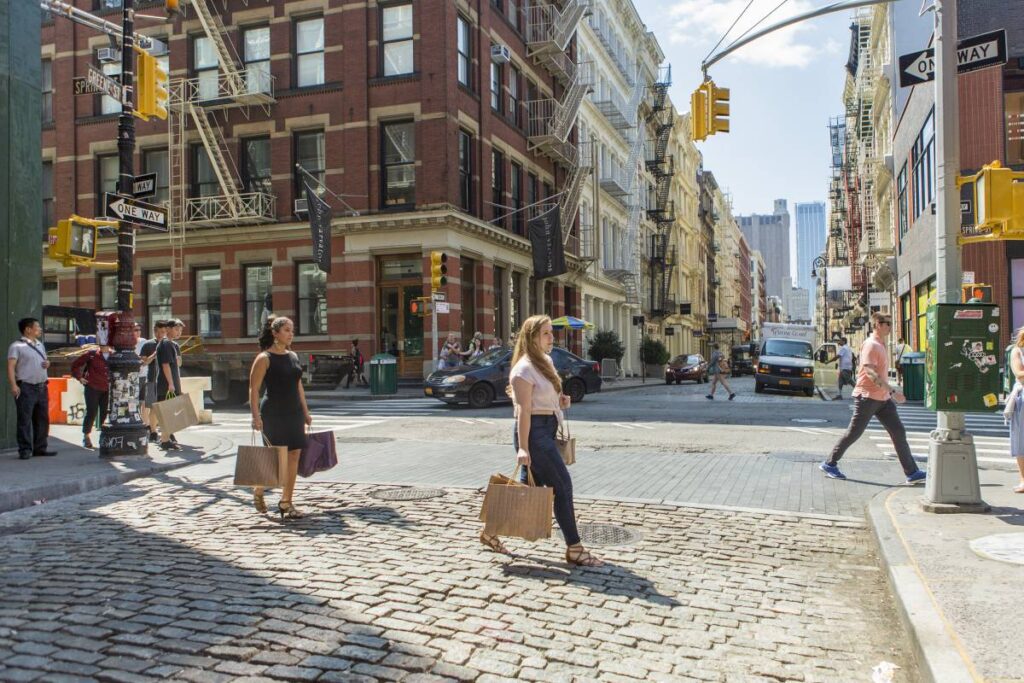
Today’s SoHo appeals to visitors for its walkable streets, striking architecture, lively atmosphere, and reputation as one of New York City’s most stylish districts. The mix of historic charm and modern luxury makes it a favorite destination for tourists, photographers, shoppers, and creatives alike.
Getting Around SoHo with Ease
With SoHo’s popularity comes heavy foot traffic and transportation demand, especially during peak travel seasons. While public transit is available, many visitors prefer the comfort and convenience of a private black car or limo service in New York City, particularly when planning several hours of shopping, dining, or sightseeing.
Hourly car service allows visitors to explore SoHo and nearby neighborhoods—such as Tribeca, Nolita, and the Lower East Side—without the hassle of navigating crowded subways or hailing taxis. Luxury vehicles like Cadillac Escalades, Teslas, and Sprinter Vans offer a relaxed, efficient way to experience Manhattan, whether traveling locally or arriving from another borough or out of state.
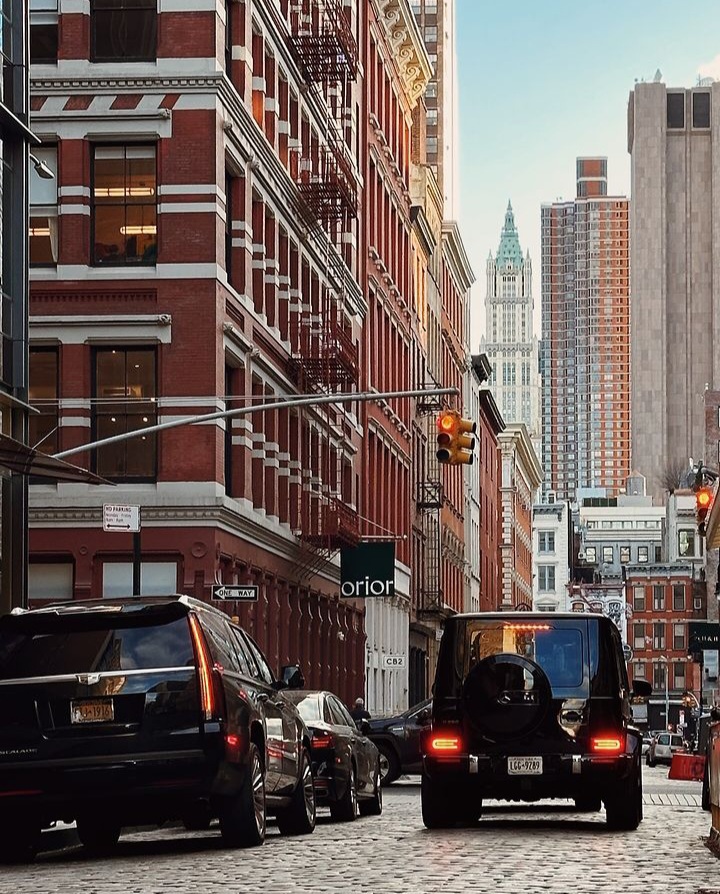
For travelers seeking a seamless and elevated way to explore SoHo, professional NYC car services provide reliability, flexibility, and comfort—enhancing the overall New York City experience while allowing visitors to focus on fashion, culture, and discovery.
Comments are closed