
Newark Liberty International Airport
Newark Liberty International Airport (EWR) stands as one of New Jersey’s most vital transportation hubs and, despite its New Jersey location, is intrinsically linked to New York City. If you’re planning a trip to the NYC metropolitan area, EWR deserves serious consideration—many travelers find it more convenient than the city’s other major airports.
Originally called Newark Metropolitan Airport when it opened on October 1, 1928, EWR holds the distinction of being the first major airport to serve passengers in the New York area and the United States’ first major commercial airport. The facility is located between Newark in Essex County and Elizabeth in Union County, New Jersey, and is operated by the Port Authority of New York and New Jersey alongside the region’s other major airports.
The airport was renamed Newark Liberty International Airport following the September 11, 2001 attacks to honor the lives lost during that tragedy and pay tribute to the nearby Statue of Liberty. United Airlines Flight 93, which was heroically brought down in Pennsylvania by its passengers, had departed from Newark that morning.
Current Status and Transformation
In 2024, Newark Liberty International Airport served approximately 48.9 million passengers, ranking as the 14th busiest airport in the United States and 41st globally. The airport contributes more than $29.2 billion in annual economic activity to the New York-New Jersey region and supports approximately 137,000 jobs, with about 23,000 positions directly at the airport.
Following the tremendous success of LaGuardia’s $8 billion transformation, Newark is now undergoing its own dramatic reimagining. In October 2024, the Port Authority unveiled the comprehensive EWR Vision Plan, a blueprint for the airport’s development through 2065. The plan includes:
- A completely new Terminal B to replace the 51-year-old facility
- Enhancements and expansion of Terminal C
- Further expansion of the award-winning Terminal A
- A new $3.5 billion AirTrain system to replace the aging 1996 monorail (completion targeted for 2030)
- Redesigned roadway networks to reduce congestion
- Enhanced taxiways and airfield improvements
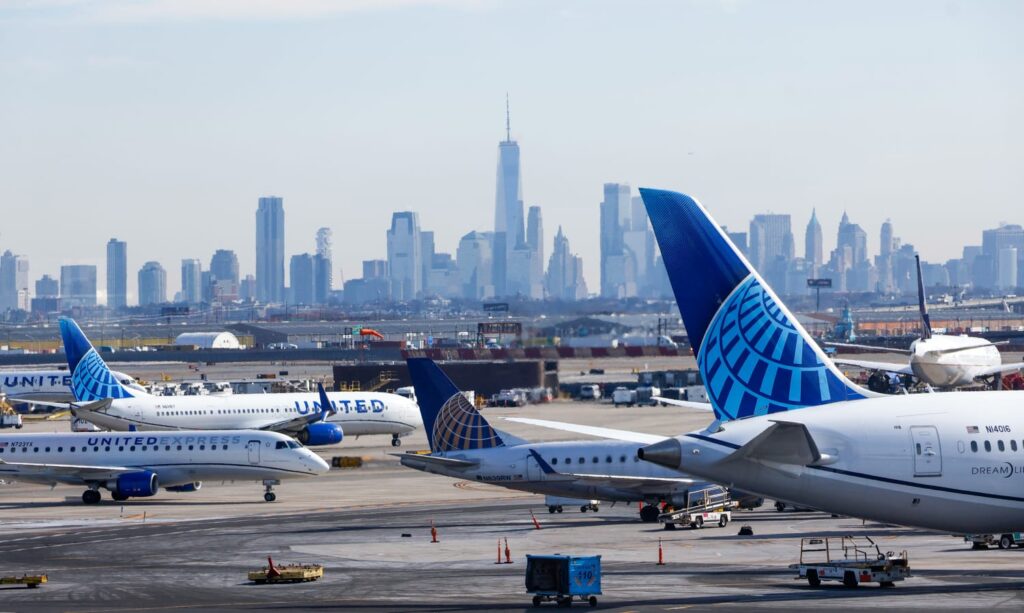
With 125 gates across three terminals (A, B, and C), Newark serves as United Airlines’ second-largest hub and accommodates over 30 major carriers.
Terminal A: The Award-Winning Gateway
The completely rebuilt Terminal A officially opened in January 2023 after a $2.7 billion investment, and the accolades have been pouring in ever since. In 2024, Skytrax awarded Terminal A their prestigious 5-star rating and named it the best new airport terminal in the world. The terminal also received UNESCO’s Prix Versailles special prize for exterior design in 2023.
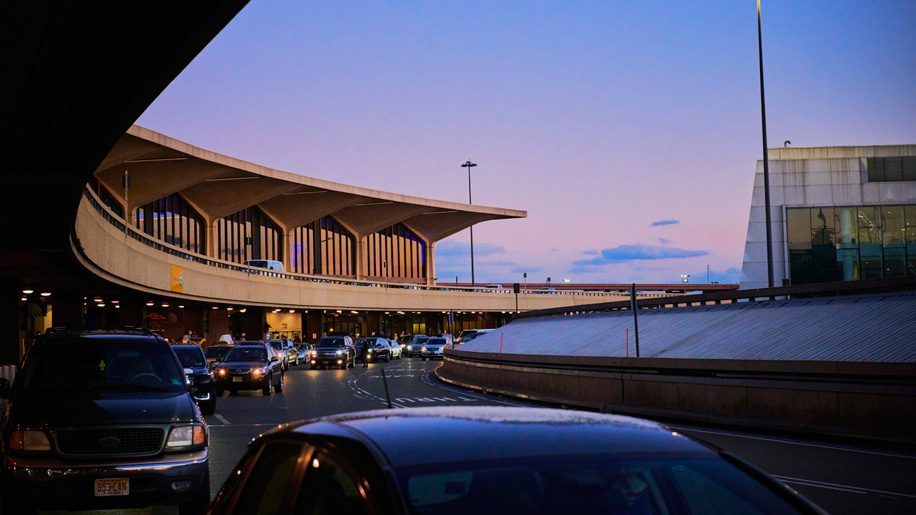
Spanning one million square feet with 33 gates across three concourses, Terminal A represents a complete departure from Newark’s outdated reputation. The three-level facility features soaring cantilevered rooflines, diamond-shaped skylights, and a gently folded metal ceiling that floods the space with natural light—a nod to New Jersey’s status as the “Garden State.”
Key Features:
- Designed to serve 13.4 million passengers annually
- LEED Silver certified with sustainability at its core
- 12,708 solar panel rooftop canopy—the largest solar roof at any U.S. airport
- Local art from New Jersey artists throughout the terminal
- Four lounges: United Club, American Admirals Club, Delta Sky Club, and Air Canada Maple Leaf Lounge
- Designated rideshare pickup areas
- Four curbside lanes for smoother drop-offs and pickups
Airlines Serving Terminal A: United Airlines (domestic and select regional flights), American Airlines, Delta Air Lines, Southwest Airlines, JetBlue Airways, Air Canada, and Spirit Airlines
For travelers coming from outside the immediate area, many professional car services specialize in Terminal A pickups and can navigate directly to the new rideshare and ground transportation zones, making your arrival experience as smooth as your departure.
Terminal B: International Hub Awaiting Transformation
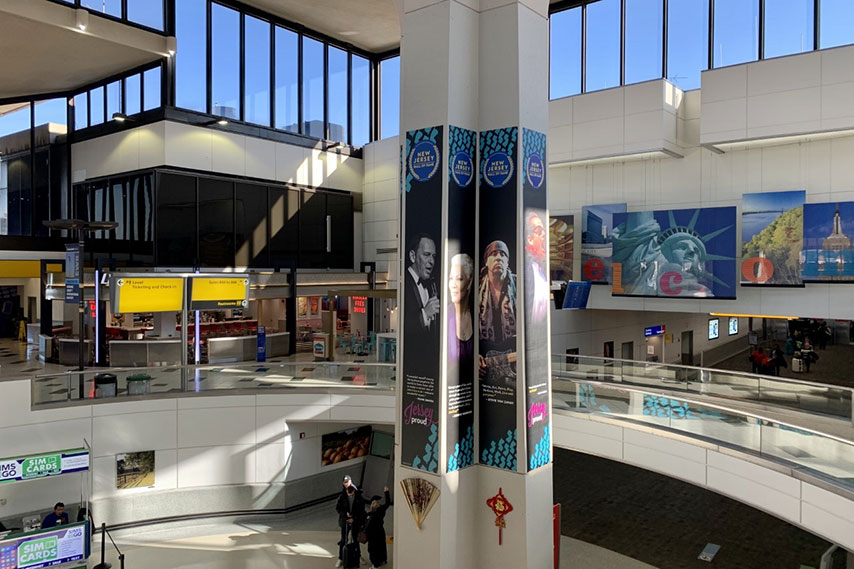
Opened in 1973, Terminal B is the only passenger terminal operated directly by the Port Authority. Originally designed to serve 6.8 million passengers annually, it now handles international carriers along with select domestic flights.
Terminal B underwent significant renovations in 2008 to expand capacity and improve passenger comfort. These updates included a larger ticketing area, a new departure level, and enhanced security checkpoints. The terminal features three connector concourses (B1, B2, and B3) that were further renovated in recent years.
Current Airlines: International carriers including British Airways, Emirates, Lufthansa, and various Caribbean and international airlines, plus select JetBlue and United domestic flights
What’s Coming: The Port Authority has approved $55 million in initial funding to begin the planning process for a completely new Terminal B. This centerpiece of the EWR Vision Plan will replace the aging facility with a modern international terminal to match Terminal A’s world-class standards. A 2-3 year planning process began in late 2024, with construction timing to be announced.
For international arrivals at Terminal B, having a pre-arranged car service with meet and greet can significantly streamline your exit process. Many NYC-area car services offer this convenient service, where your driver tracks your flight and meets you at arrivals with a name sign, helping with luggage and navigating you through the terminal’s complexities—particularly valuable for first-time visitors or those dealing with jet lag.
Terminal C: United Airlines’ Crown Jewel
Opened in 1988 and designed by Grad Associates, Terminal C serves exclusively as United Airlines’ and United Express’s hub at Newark. With over 52 gates across three concourses (C1, C2, and C3), it’s the airport’s busiest terminal, processing approximately 32.9 million passengers in 2024—nearly 68% of all Newark traffic.
Terminal C underwent a comprehensive $120 million renovation between 2014 and 2016 led by OTG, which transformed the passenger experience. The project installed 6,000 iPads and brought in 55 new restaurants headed by notable chefs. In 2019, Fodor’s Travel Awards named Terminal C the best in the nation for food lovers.
Key Features:
- All three concourses connected within secure areas—no need to re-clear security when moving between gates
- United Polaris Lounge for international business class passengers
- Two United Club lounges
- Underground parking for added convenience
- Four levels: arrivals/baggage claim (Level 1), international ticketing (Level 2), domestic ticketing (Level 3), and gates/concessions (Level 4)
Airlines: United Airlines and United Express (domestic and international flights), plus WestJet
The sheer size and activity level of Terminal C can make navigation challenging, especially during peak travel times. If you’re being picked up from Terminal C, communicating your exact concourse and exit point to your driver can save considerable time. Professional car services familiar with EWR’s layout know the optimal pickup locations and can position themselves efficiently, often parking strategically to minimize your walk with luggage.
Ground Transportation: Getting To and From Newark
Newark offers multiple transportation options, though navigating them can vary in complexity depending on your needs and destination.
Public Transportation
AirTrain Newark connects all three terminals with parking facilities and Newark Liberty International Airport Rail Station. From the rail station, travelers can access:
- NJ Transit’s Northeast Corridor Line and North Jersey Coast Line
- Connections to Newark Penn Station, Secaucus Junction, and New York Penn Station
- Amtrak’s Northeast Regional and Keystone Service
The current AirTrain system, dating to 1996, will be replaced by 2030 with a modern $3.5 billion automated system featuring new stations and improved reliability.
Bus Service: NJ Transit buses provide northbound local service with stops in Irvington, Downtown Newark, and Newark Penn Station, connecting to PATH and NJ Transit rail lines.
Private Ground Transportation
While public transit offers budget-friendly options, many travelers—particularly those with tight schedules, heavy luggage, or unfamiliarity with the area—prefer the convenience and reliability of professional car services.
Car Services and Limousines: The New York metropolitan area is served by numerous professional transportation companies offering various service levels. When selecting a provider, consider factors like:
- Flight tracking capabilities (so your driver adjusts for delays)
- Meet and greet services for international arrivals
- Vehicle types (sedans, SUVs, luxury cars, sprinter vans for groups)
- Fixed pricing vs. metered rates
- Experience with corporate and leisure travel
Quality car services maintain relationships with airport operations, understand the terminal layouts, and know the fastest routes regardless of traffic conditions. This expertise becomes invaluable during Newark’s notorious peak congestion periods or when construction impacts roadway access.
Regional Coverage: Professional car services operating in the NYC area typically offer transportation throughout the tri-state region and beyond:
- Within New Jersey to all major cities
- New York City (all boroughs)
- Connecticut (including cities like Stamford, New Haven, and even New London)
- Pennsylvania (Philadelphia and surrounding areas)
- Some providers extend service to Massachusetts, Washington D.C., and even as far as Tennessee or Ohio for premium bookings
For travelers requiring interstate service, booking in advance ensures vehicle availability and often secures better rates than last-minute arrangements.

Taxis and Rideshare: Traditional taxis operate from designated ranks on the arrivals level of each terminal. Uber and Lyft have dedicated pickup locations in the parking garage’s rideshare level. During peak hours, wait times for rideshare can extend significantly, and surge pricing often applies.
Rental Cars: Rental car facilities are located south of the Grand Central Parkway, accessible by frequent shuttle buses from each terminal.
Terminal Connections and Navigation
Newark’s three terminals are not physically connected, which requires some planning for connections:
United Airlines Shuttle Bus: Operates within the secure area between terminals for Star Alliance passengers, departing from near gates A28, B68, and C71. Service runs:
- Between Terminals A and C: 4 a.m. to midnight
- From Terminal B to A and C: 1 p.m. to 11 p.m.
AirTrain: Operates outside security 24/7 but requires passengers to re-clear security at their destination terminal. The free AirTrain runs every 3-5 minutes during peak hours.
Important Note: International arrivals must clear customs and immigration upon arrival, requiring security re-screening regardless of connection method.
Parking Options
Short-Term (Garage A): Closest to Terminal C, ideal for quick pickups (2-5 minute walk)
Daily Parking (Garage P4): Best for overnight and multi-day trips; free AirTrain access every 3-5 minutes
Economy Parking (Lot P6): Most affordable long-term option with free shuttle service every 10 minutes
Pre-booking parking at least 24 hours in advance is recommended and often provides discounted rates. Reservations can be modified up to one hour before scheduled departure.
Travel Tips for Newark Liberty
- Allow extra time: While Terminal A has modernized operations, security wait times can still vary significantly during peak travel periods, especially summer afternoons when thunderstorms cause delays
- Know your terminal: United operates from all three terminals, so verify your exact terminal and gate when booking. Other airlines are split between Terminals A and B
- International connections: If connecting through Newark on an international itinerary, allow at least 90 minutes for terminal changes that require customs clearance
- Food options: Terminal C leads for dining variety, but all terminals now offer significantly improved concessions compared to pre-renovation years
- Transportation planning: Book ground transportation in advance, especially during holidays and peak business travel periods. The roadway network improvements planned in the Vision Plan won’t materialize for several years, so current congestion patterns remain
- Peak travel awareness: July is consistently the busiest month at Newark. In 2024, the airport set a single-day record with over 83,000 passengers screened on one June Thursday
The Road Ahead
Newark Liberty International Airport stands at an exciting inflection point. The stunning success of Terminal A has proven what’s possible when outdated infrastructure gets a complete reimagining. With the EWR Vision Plan now approved and funding allocated, the airport is positioned to complete its transformation from a facility once maligned for poor conditions to a truly world-class gateway.
For now, travelers can enjoy the award-winning Terminal A while anticipating the future improvements to Terminals B and C, the new AirTrain system, and streamlined roadways. Whether you’re flying for business or leisure, Newark offers increasingly competitive service as a viable—and often preferable—alternative to JFK and LaGuardia.
When planning your Newark experience, remember that the right ground transportation can make all the difference. A reliable car service familiar with EWR’s operations can turn potential stress into smooth, efficient travel, letting you focus on your journey rather than logistics. From meet and greet services for international arrivals to door-to-door convenience for domestic travelers, professional transportation providers ensure your airport experience matches the quality of Newark’s new facilities.
Comments are closed